Liver

Liver

Everything About Pancreatic Surgery: Patient-Friendly Medical Guide 

Everything About Pancreatic Surgery: Patient-Friendly Medical Guide Introduction Hearing the words “you may need pancreatic surgery” can feel overwhelming. Your mind races with questions — What does this mean? Is it serious? What happens next? You’re not alone. Thousands of patients and families go through this every year, and the good news is that with the right medical care and the right information, the path forward becomes much clearer.  This guide is written for patients and their loved ones. It covers everything you need to know — from what the pancreas actually does, to warning signs, surgical options, recovery, and when to seek expert help. What Is the Pancreas and Why Does It Matter? Pancreatic surgery refers to a group of procedures performed to treat diseases affecting the pancreas. It does two big jobs:  Digestive function: It releases enzymes that break down the food you eat.  Blood sugar regulation: It produces insulin and glucagon, the hormones that keep your blood sugar in balance.  When the pancreas doesn’t work properly — due to disease, inflammation, or tumors — it can affect your entire body. That’s why pancreatic conditions are taken seriously by doctors.  Common Conditions That May Require Pancreatic Surgery Not every pancreatic problem needs surgery. But several conditions do — or at least require surgical evaluation:  Pancreatic cancer — one of the more serious reasons surgery is considered  Chronic pancreatitis — long-term inflammation causing persistent pain  Pancreatic cysts — fluid-filled sacs that may be benign or precancerous  Islet cell tumors (neuroendocrine tumors) — abnormal growths in hormone-producing cells  Acute pancreatitis complications — like infected necrosis (dead tissue with infection)  Bile duct obstruction — when a tumor or cyst blocks the bile duct  Types of Pancreatic Surgery Surgery on the pancreas is complex. The type of procedure depends on where the problem is located and what’s causing it.  Whipple Procedure (Pancreaticoduodenectomy)  The Whipple Procedure is the most well-known pancreatic surgery. It involves removing the head of the pancreas, the first part of the small intestine (duodenum), the gallbladder, and part of the bile duct. It’s often used for tumors in the head of the pancreas.  Distal Pancreatectomy  When a problem affects the body or tail of the pancreas, this surgery removes that portion — sometimes along with the spleen.  Total Pancreatectomy  In rare cases, the entire pancreas is removed. Patients will need insulin therapy and digestive enzyme supplements for life afterward.  Minimally Invasive Surgery (Laparoscopic or Robotic)  Many pancreatic surgeries can now be performed using small incisions with laparoscopic or robotic assistance. These approaches often mean less pain, a shorter hospital stay, and faster recovery compared to traditional open surgery. Prevention and Risk Reduction While not all pancreatic conditions are preventable, certain lifestyle choices can lower your risk:  Quit smoking — smoking is one of the strongest risk factors for pancreatic cancer  Limit alcohol — heavy drinking is a leading cause of chronic pancreatitis  Maintain a healthy weight — obesity increases the risk of several pancreatic disorders  Manage diabetes — poorly controlled blood sugar affects pancreatic health  Eat a balanced diet rich in fruits, vegetables, and lean proteins  Get regular health check-ups, especially if you have a family history of pancreatic disease  Taking Charge of Your Pancreatic Health Living with a pancreatic condition can feel overwhelming, but expert medical care can make the journey more manageable. For patients seeking Pancreatic Surgery in Ahmedabad, Dr. Mayur Patel offers specialized surgical expertise, comprehensive evaluation, and personalized treatment planning to help achieve the best possible outcomes. Early consultation can be an important step toward better health and recovery. 

Liver

Liver Transplant: A Complete Guide to the Journey from Evaluation to Recovery

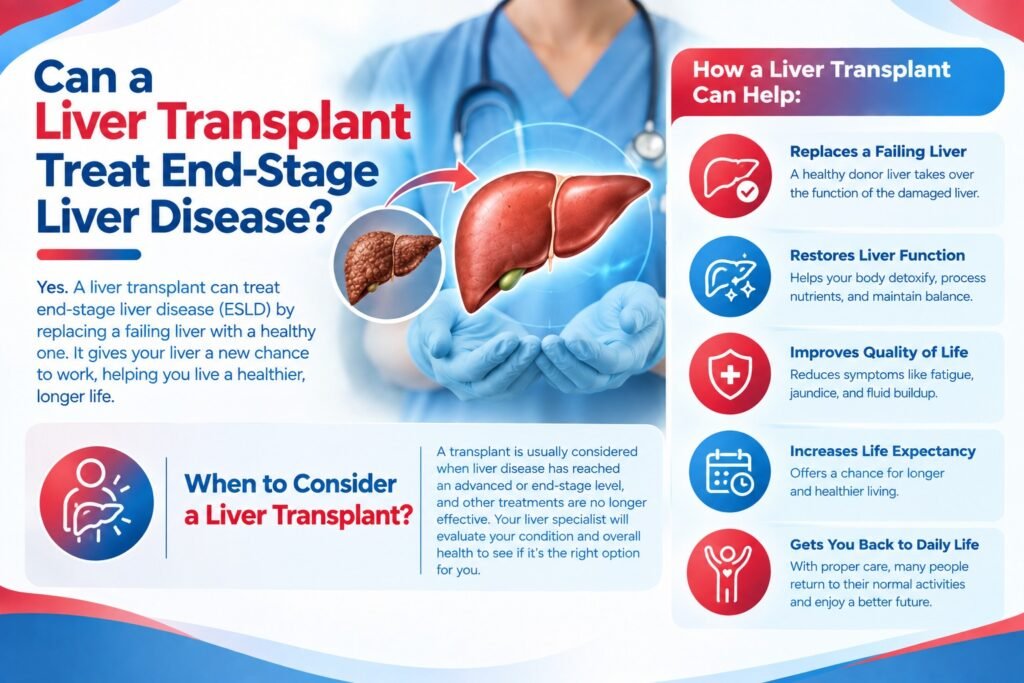
Liver Transplant: A Complete Guide to the Journey from Evaluation to Recovery Introduction Getting a diagnosis that requires a liver transplant can feel overwhelming — for the patient and for the family standing beside them. Questions flood in all at once. Will I be okay? What happens next? How long will recovery take? These are real, valid fears, and you deserve clear, honest answers.  This guide walks you through every stage of the liver transplant journey — from understanding why it becomes necessary, to what life looks like on the other side of surgery.  What Causes Liver Failure? A Simple Guide for Patients The liver is a tough organ. Every day it cleans your blood, helps digest food, stores energy, and keeps your body running. But some conditions damage it so badly that it simply cannot recover.  The most common reasons the liver reaches this point include:  Cirrhosis — permanent scarring caused by years of damage, usually from heavy alcohol use or long-term hepatitis  Hepatitis B and C — viral infections that slowly destroy liver cells, often without early symptoms  Fatty liver disease (NAFLD) — a growing problem linked to obesity and diabetes, where fat builds up inside the liver  Autoimmune hepatitis — the body’s own immune system mistakenly attacks the liver  Primary biliary cholangitis (PBC) — a condition where the bile ducts inside the liver get damaged over time  Sudden liver failure — a rapid breakdown of liver function, sometimes triggered by a medication overdose or severe infection  Inherited conditions — diseases like Wilson’s disease or hemochromatosis that are passed down through families  Once the liver is too damaged to keep up with the body’s needs, a transplant is often the only real path to survival.  Recognizing the Warning Signs Liver disease is often called a “silent” illness because it progresses slowly, with symptoms appearing only once significant damage has occurred. Still, there are signs that should never be ignored:  Yellowing of the skin or eyes (jaundice)  Persistent fatigue that doesn’t improve with rest  Swelling in the abdomen or legs  Dark-colored urine or pale stools  Itchy skin without an obvious cause  Confusion or difficulty concentrating (a sign of hepatic encephalopathy)  Easy bruising or unexplained bleeding  Nausea and significant unintended weight loss  The Evaluation Process: Your First Big Step Before anyone is approved for a transplant, they go through a thorough medical evaluation. This isn’t just paperwork — it’s the foundation of a safe and successful outcome.  What the Evaluation Involves  The transplant team assesses your overall health to confirm a transplant is both necessary and safe. This typically includes:  Blood tests to measure liver function, kidney health, and blood type  Imaging scans (ultrasound, CT, or MRI) to study the liver’s structure and blood supply  Cardiac and pulmonary tests to ensure your heart and lungs can handle surgery  Nutritional and psychological assessments  Screening for infections or cancer that could affect transplant outcomes  The MELD Score  Your MELD score (Model for End-Stage Liver Disease) is a number calculated from your blood results. It reflects how urgently you need a transplant. The higher the score, the higher your priority on the waiting list. Understanding this score helps set realistic expectations about timing. Finding a Donor: Living vs. Deceased Donation Liver transplants can come from two sources.  Deceased donor transplants use a portion or the full liver from someone who has passed away and consented to organ donation. Waiting times vary depending on blood type, body size, MELD score, and availability.  Living donor transplants involve a healthy adult — often a family member — donating a portion of their liver. Because the liver regenerates, both the donor’s and recipient’s livers grow back to near-normal size within months. This option often reduces waiting time significantly and allows for better surgical planning.  Recovery: The Long Road Worth Taking Recovery after a liver transplant is a gradual process, and patience is genuinely part of the treatment.  Long-Term Recovery Tips  Take medications exactly as prescribed — skipping doses puts your new liver at serious risk  Eat a balanced, liver-friendly diet — focus on lean protein, vegetables, and whole grains; limit salt and processed foods  Avoid alcohol completely — even small amounts can harm the transplanted liver  Protect yourself from infections — your immune system will be intentionally suppressed, so hand hygiene and avoiding sick contacts matter more than ever  Attend every follow-up appointment — early detection of complications is the best protection  Rest without guilt — fatigue is normal in the first year, and rest is recovery  Your Next Step Towards Liver Health A liver transplant is more than a surgical procedure—it is a carefully planned journey that begins with evaluation and continues through recovery and long-term care. With the right medical team, proper follow-up, and healthy lifestyle choices, many patients go on to lead active and fulfilling lives after transplantation.  If you are exploring treatment options for a Liver Transplant in Ahmedabad, consulting an experienced liver specialist such as Dr. Mayur Patel can help you understand your options and receive personalized guidance throughout the transplant journey.

Scroll to Top

Contact Us