
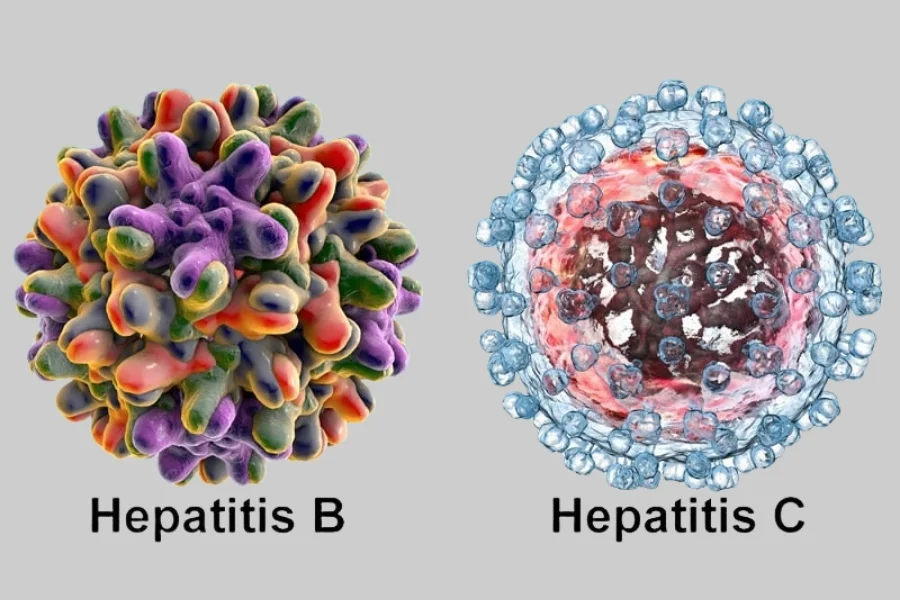
Hepatitis B & Hepatitis C
What is Hepatitis B & C?
Hepatitis B and Hepatitis C are viral infections that affect the liver and can lead to long-term liver damage if not treated properly. These infections may remain silent for years but can gradually cause inflammation, liver scarring, and serious complications.
With early diagnosis and proper medical care, hepatitis can be effectively managed, and in many cases, complications can be prevented. Regular monitoring and timely treatment play a key role in maintaining liver health.
If you have been diagnosed with hepatitis or are at risk, early consultation can help prevent long-term liver damage.
Signs & Symptoms of Hepatitis B & C
Early symptoms may be mild or absent. Recognizing them on time helps in early diagnosis and treatment. Many patients have no symptoms, testing is the only way to detect hepatitis early.
Mild fatigue
Appetite loss
Nausea feeling
Dark urine
Low Energy
Jaundice signs
Understanding the Stages of Hepatitis
Early-stage detection gives you the best chance to avoid serious complications and hospitalization.
Accute Infection
When suddenly the patient develops jaundice and altered behavior. In this condition, specialized medical management is required. If the condition has not improved, an urgent liver transplant is a lifesaving surgery. This is mainly due to hepatitis.
Chronic Infection
When long-term infection causes permenant live damage and progresses to Cirrhosis. Very high risk of Liver cancers.
Common Causes of Hepatitis B & C
Hepatitis B and C are caused by viral infections that spread through blood or body fluids. The risk increases with certain exposures and medical or lifestyle factors. Identifying the source helps in proper treatment and prevention of further spread.
- Infected blood exposure
- Unsafe injections
- Unprotected contact
- Blood transfusion risk
- Shared needles
- Medical exposure
Our Approach
Hepatitis B & C Treatment Approach
Treatment depends on the type of hepatitis, stage of infection, and overall liver condition. Timely treatment can control infection and significantly reduce liver damage.
Medical Evaluation
Medical evaluation helps confirm infection type and assess overall liver health.
Antiviral Treatment
Antiviral treatment helps control the virus and reduce liver damage risk.
Regular Monitoring
Regular monitoring ensures timely detection of changes in liver condition.
Lifestyle Precautions
Lifestyle precautions help protect the liver and support treatment outcomes.
Long Term Follow Up
Long-term follow-ups help prevent complications and maintain liver stability.
Role of a Liver Specialist & Transplant Surgeon in Hepatitis
Hepatitis B and C are primarily managed through medical treatment and long-term monitoring under the guidance of a liver specialist. Early treatment helps control the infection and prevents progression to serious liver conditions.
In advanced cases where hepatitis leads to cirrhosis or liver failure, further evaluation may be required, and in rare situations, liver transplant may be considered.
Booking Your Treatment Visit Is Simple
Speak directly and book your appointment quickly.
Fill the form and confirm your consultation easily.
Walk in clinic and get guidance from our team.
Share details and our team will contact you.
Why Consult Dr. Mayur Patel for Hepatitis Treatment?
- Specialist in liver diseases and gastroenterology
- Experience in managing hepatitis and chronic liver conditions
- Focus on early diagnosis and long-term care
- Personalized treatment and monitoring plans
- Guidance to prevent complications and progression
Need expert advice? Call us now.
+91-96621 16781
Not Sure About Your Hepatitis Status?
Many patients are unaware of their infection until complications develop. A consultation can help you:
- Confirm diagnosis
- Understand infection stage
- Start timely treatment
Commonly Asked Questions
Hepatitis B can be controlled with treatment, while hepatitis C can often be cured with antiviral medications. Early diagnosis improves treatment outcomes significantly.
Some patients may require long-term monitoring or treatment depending on the type and stage. A liver specialist can guide the right plan based on individual condition.
Yes, hepatitis B and C can spread through blood and body fluids. Taking precautions and following medical advice helps reduce the risk of transmission.
Yes, untreated hepatitis can lead to cirrhosis, liver failure, or cancer over time. Early treatment helps prevent these complications.
Yes, many patients live normal lives with proper treatment and regular follow-ups. Managing the condition early helps maintain long-term health.
Testing frequency depends on your condition and treatment plan. Regular monitoring helps track progress and detect any changes early.
Yes, avoiding alcohol, maintaining a healthy diet, and regular monitoring are important for managing hepatitis effectively.
Advanced care may be needed if hepatitis leads to cirrhosis or liver complications. Early medical guidance helps avoid reaching this stage.
Expert Guidance
Get clear advice on your condition,
stage, and next steps from Dr. Mayur