
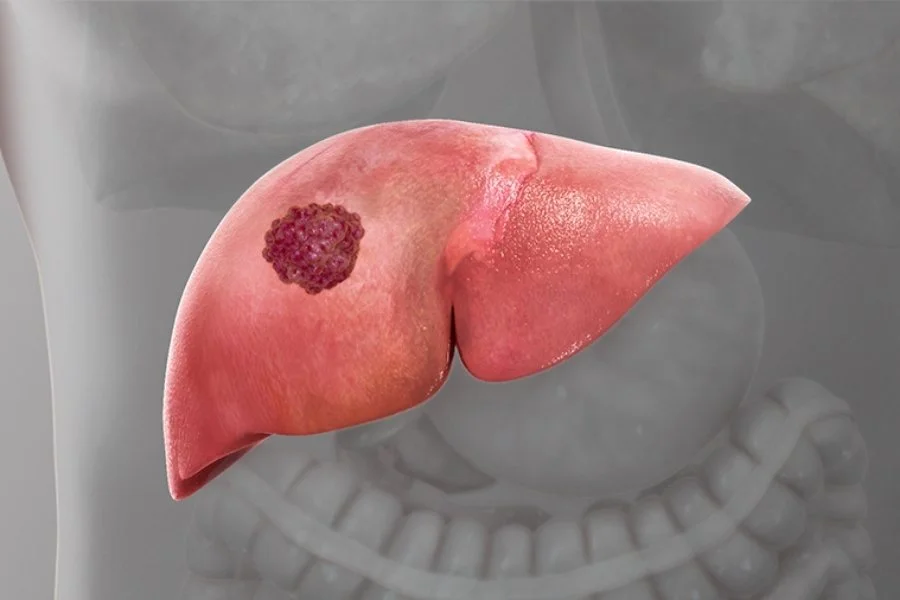
Liver Cancer

What is Liver Cancer?

Liver cancer occurs when abnormal cells grow uncontrollably in the liver. It can develop as a primary cancer in the liver or spread from other parts of the body. Early stages may not show clear symptoms, making timely screening and diagnosis important.

With early detection and proper treatment planning, outcomes can be significantly improved. Identifying the stage and choosing the right treatment approach is critical for effective management.

If you have liver disease or risk factors, early evaluation can help detect cancer at a treatable stage.

Signs & Symptoms of Liver Cancer

Early symptoms may be subtle. Recognizing changes early helps in timely diagnosis. Symptoms often appear in later stages, early screening is important for high-risk patients.

Severe fatigue

Persistent fatigue

Appetite loss

Appetite loss

Weakness feeling

Weight loss

Weight loss

Recurrent vomitting

Nausea feeling

Persistent jaundice

Jaundice signs

Understanding the Stages of Liver Cancer

Early-stage detection offers more treatment options and better outcomes.

Early Stage

Tumor is small and confined to the liver

Intermediate Stage

Tumor grows or involves nearby areas

Advanced Stage

Cancer spreads beyond the liver

End Stage

Liver function severely affected with complications

Common Causes of Liver Cancer

Liver cancer often develops in patients with long-standing liver disease or chronic liver damage. Understanding risk factors helps in early detection and prevention.

  • Liver cirrhosis
  • Chronic hepatitis
  • Fatty liver disease
  • Alcohol damage
  • Metabolic disorders
  • Long-term inflammation

Our Approach

Liver Cancer Treatment Approach

Treatment depends on the stage of cancer, liver function, and overall health of the patient. Right treatment planning at the right stage improves survival and quality of life.

Detailed Evaluation

Detailed evaluation helps confirm diagnosis and determine the stage of cancer

Treatment Planning

Treatment planning ensures the most appropriate approach based on patient condition.

Medical Management

Medical management helps control symptoms and support overall liver function.

Interventional Procedures

Interventional procedures help manage tumors without major surgical intervention.

Surgical Referrals

Advanced referral ensures timely consideration of surgery or transplant options.

Liver Surgery Ahmedabad

Role of a Liver Specialist & Transplant Surgeon in Liver Cancer

Liver cancer management begins with accurate diagnosis and staging by a liver specialist. Early evaluation helps determine the most suitable treatment approach and improves overall outcomes.

Depending on the stage, treatment may involve medical therapy, interventional procedures, or surgical options such as tumor removal or liver transplant. A transplant or surgical team becomes involved when advanced treatment is required.

Booking Your Treatment Visit Is Simple

Call Us
Call Us

Speak directly and book your appointment quickly.

Book Online
Book Online

Fill the form and confirm your consultation easily.

Visit Clinic
Visit Clinic

Walk in clinic and get guidance from our team.

Get a callback.
Get Callback

Share details and our team will contact you.

Dr Mayur Patel

Why Consult Dr. Mayur Patel for Liver Cancer Treatment?

  • Specialist in liver diseases and complex conditions
  • Focus on early diagnosis and accurate staging
  • Experience in managing liver-related complications
  • Personalized treatment planning approach
  • Guidance for advanced and multidisciplinary care
Years of Experience
8 +
Liver Transplant
480 +
Major HPB Cases
1480 +

Not Sure About Your Risk?

Many patients with liver cancer are diagnosed at a late stage due to lack of early symptoms. A consultation can help you:

  • Assess your risk
  • Detect early-stage disease
  • Plan timely treatment

Commonly Asked Questions

Liver cancer can be treated effectively if detected early. Treatment options depend on the stage, and early diagnosis offers better chances of successful outcomes.

Treatment may include medications, interventional procedures, or surgery depending on the stage. A specialist helps decide the best approach for each patient.

No, treatment depends on the stage and liver function. Many patients are managed with non-surgical or minimally invasive treatments.

Yes, regular screening in high-risk patients can help detect liver cancer early. Early detection improves treatment success and survival rates.

Yes, cirrhosis is one of the major risk factors for liver cancer. Patients with cirrhosis require regular monitoring.

Many patients maintain a good quality of life with proper treatment and follow-ups. Early-stage treatment offers better outcomes.

High-risk patients are usually advised regular screening every few months. A specialist can recommend the right schedule.

Advanced care is required when cancer progresses or spreads. Early consultation helps avoid reaching advanced stages.

Expert Guidance

Get clear advice on your condition,
stage, and next steps from Dr.
Mayur Patel

Don’t Delay Evaluation

Early diagnosis can improve treatment outcomes and increase survival chances.

Scroll to Top

Contact Us