
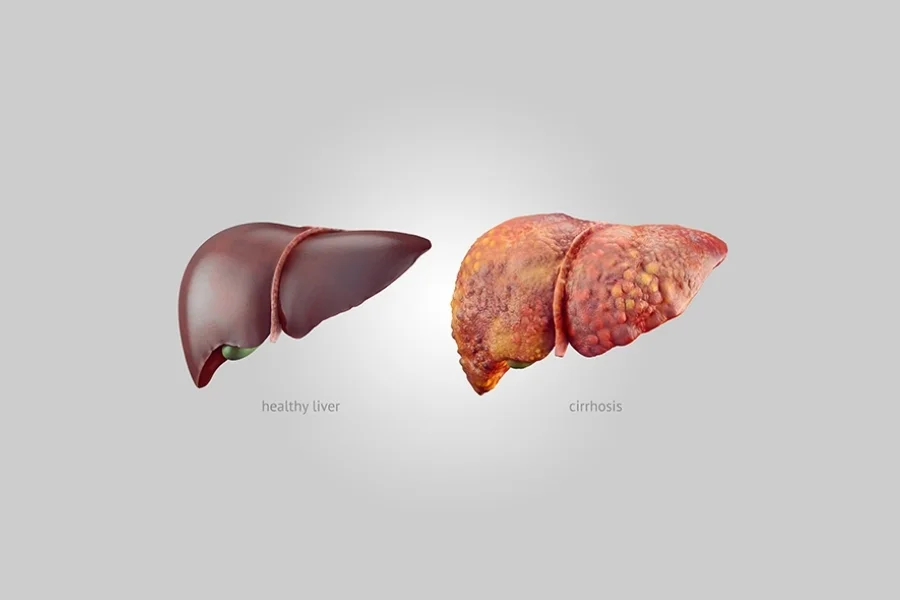
Liver Cirrhosis
What is Liver Cirrhosis?
Liver cirrhosis is a serious condition where the liver becomes damaged and scarred over time. As the damage increases, the liver gradually loses its ability to function properly, which can lead to complications such as fluid buildup, internal bleeding, or liver failure.
The good news is that with early diagnosis and proper medical care, many patients can avoid severe complications and live a stable life. The key is timely evaluation and continuous monitoring by a liver specialist.
If you have been diagnosed with fatty liver or any liver condition, do not wait for symptoms to worsen, early consultation can make a significant difference.
Signs & Symptoms of Liver Cirrhosis
Early signs of liver cirrhosis are often mild and easy to ignore. Recognizing these symptoms at the right time can help prevent serious complications and allow timely treatment.
Chronic fatigue
Appetite loss
Weight loss
Abdominal swelling
Leg swelling
Jaundice signs
Understanding the Stages of Cirrhosis
Early-stage detection gives you the best chance to avoid serious complications and hospitalization.
Compensated Cirrhosis
The liver still functions relatively well, and symptoms may be minimal
Decompensated Cirrhosis
Complications begin, such as fluid buildup, bleeding, or confusion
Common Causes of Liver Cirrhosis
Liver cirrhosis develops due to long-term damage to the liver from various conditions. The most common causes are related to lifestyle, infections, and chronic liver diseases that gradually affect liver function over time. Identifying the underlying cause early helps in slowing progression and preventing complications.
- Fatty liver disease (NAFLD/NASH)
- Alcohol-related liver damage
- Hepatitis B and C infections
- Long-term liver inflammation
- Bile duct disorders
- Genetic and metabolic conditions
Our Approach
Liver Cirrhosis Treatment Approach
Treatment is not the same for every patient. The most important step is understanding how advanced the condition is and what should be done next. The right treatment at the right stage can prevent emergency situations and improve long-term outcomes.
Medical Management
Medical management helps control symptoms and slow the progression of liver damage.
Lifestyle & Diet Changes
Lifestyle and diet changes play an important role in protecting overall liver function.
Regular Monitoring
Regular monitoring allows early detection of changes and timely medical intervention.
Managing Complications
Managing complications helps prevent serious risks like bleeding or fluid buildup.
Transplant Evaluation
Timely transplant evaluation ensures the right decision is made at the correct stage.
Role of a Liver Specialist & Transplant Surgeon in Cirrhosis Treatment
Liver cirrhosis is primarily managed through medical treatment, lifestyle changes, and continuous monitoring. A liver specialist plays the most important role in diagnosing the condition early, controlling its progression, and preventing complications.
However, when the disease reaches an advanced stage and the liver is no longer able to function properly, a liver transplant may be required. At this stage, a transplant surgeon becomes involved in performing the surgery.
Booking Your Treatment Visit Is Simple
Speak directly and book your appointment quickly.
Fill the form and confirm your consultation easily.
Walk in clinic and get guidance from our team.
Share details and our team will contact you.
Why Consult Dr. Mayur Patel for Liver Cirrhosis Treatment?
- Specialist in liver diseases and gastroenterology
- Experienced in managing cirrhosis and complex liver conditions
- Focus on early diagnosis and preventing complications
- Expertise in endoscopy and liver-related procedures
- Clear guidance on when transplant evaluation is needed
Need expert advice? Call us now.
+91-96621 16781
Not Sure How Serious Your Condition Is?
Many patients with liver cirrhosis are unsure whether their condition is mild or progressing. A consultation can help you:
- Understand your current stage
- Know your risk of complications
- Decide whether transplant evaluation is needed
Commonly Asked Questions
Liver cirrhosis can become serious if it progresses to advanced stages. With early diagnosis and proper treatment, many patients can manage the condition and avoid complications.
Cirrhosis damage is usually permanent, but early-stage management can slow or stop progression. Treatment focuses on preserving remaining liver function and preventing further damage.
No, many patients with cirrhosis can be managed with medical treatment and monitoring. A transplant is considered only when liver function declines significantly.
Regular follow-ups and tests help track disease progression. A liver specialist can identify early signs of worsening and guide timely treatment adjustments.
Yes, many patients live stable lives with proper treatment, diet, and regular monitoring. Early care and consistency play a key role in maintaining quality of life.
Cirrhosis requires long-term management and regular monitoring. Treatment plans may change over time depending on the stage and overall health condition.
Patients are usually advised to avoid alcohol, follow a low-salt diet, and attend regular check-ups. These steps help reduce complications and maintain liver health.
Advanced care may be required if complications like fluid buildup or bleeding occur. Early consultation helps prevent such situations and reduces emergency risks.
Expert Guidance
Get clear advice on your condition,
stage, and next steps from Dr. Mayur