
Liver Failure
What is Liver Failure?
Liver failure is a serious condition where the liver loses its ability to function properly. It can develop suddenly (acute) or gradually over time (chronic), affecting the body’s ability to remove toxins, aid digestion, and support essential functions.
With timely medical care and proper monitoring, complications can be managed and progression can be controlled. Early diagnosis plays a critical role in improving outcomes and avoiding emergency situations.
If you notice worsening liver symptoms or have an existing liver condition, early consultation is essential.
Signs & Symptoms of Liver Failure
Symptoms may worsen as the condition progresses. Early recognition is important for timely care. Liver failure symptoms can progress quickly, early medical attention is critical.
Jaundice
Water in Abdomen (Ascites)
Altered sensorium (Encephalopathy)
Coma
Types of Liver Failure
Understanding the type helps guide urgency and treatment decisions.
Acute Liver Failure
Sudden loss of liver function over a short time
Chronic Liver Failure
Gradual decline due to long-term liver disease
Common Causes of Liver Failure
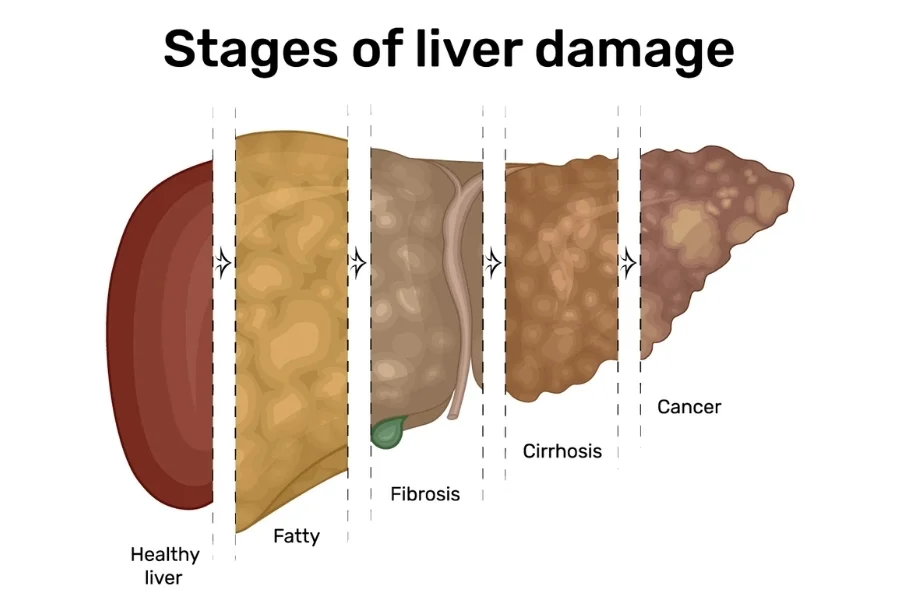
Liver failure can result from various conditions that cause severe or long-term damage to the liver. Identifying the cause early helps in planning appropriate treatment and preventing further deterioration.
- Chronic liver disease
- Liver cirrhosis
- Hepatitis infection
- Alcohol damage
- Drug toxicity
- Fatty liver disease
Our Approach
Liver Failure Treatment Approach
Treatment focuses on stabilizing the condition, managing complications, and identifying the next steps for care. Timely intervention can stabilize the condition and improve survival chances.
Emergency Evaluation
Emergency evaluation helps assess severity and guide immediate treatment decisions.
Medical Management
Medical management helps stabilize the patient and control complications.
Monitoring & ICU Care
Close monitoring ensures timely response to changes in critical conditions.
Managing Complications
Managing complications helps reduce risks and prevent deterioration.
Transplant Evaluation
Transplant evaluation helps determine the need for advanced life-saving treatment.
Role of a Liver Specialist & Transplant Surgeon in Liver Failure
Liver failure requires immediate evaluation and management by a liver specialist. Early intervention helps stabilize the condition, manage complications, and determine the next steps in treatment.
In advanced cases where the liver cannot recover, liver transplant may be required as a life-saving option. A transplant surgeon becomes involved at this stage to perform the procedure.
Booking Your Treatment Visit Is Simple
Speak directly and book your appointment quickly.
Fill the form and confirm your consultation easily.
Walk in clinic and get guidance from our team.
Share details and our team will contact you.
Why Consult Dr. Mayur Patel for Liver Failure Treatment?
- Specialist in liver diseases and critical liver conditions
- Experience in managing liver failure and complications
- Focus on early intervention and patient safety
- Clear guidance on advanced treatment options
- Long-term monitoring and care support
Need expert advice? Call us now.
+91-96621 16781
Not Sure How Serious Your Condition Is?
Liver failure can progress quickly, and delay in treatment can be risky. A consultation can help you:
- Understand severity
- Identify urgent risk
- Plan immediate care
Commonly Asked Questions
Yes, liver failure can become life-threatening if not treated in time. Early medical care helps stabilize the condition and improves chances of recovery.
Some cases of liver failure can improve with treatment, especially if detected early. Advanced stages may require long-term management or transplant evaluation.
Acute liver failure occurs suddenly, while chronic liver failure develops gradually over time. Both require timely evaluation and proper medical care.
Not all patients require a transplant. It is considered only when the liver cannot recover and other treatments are not effective.
Recovery depends on the cause and stage of the condition. Early treatment improves the chances of stabilization and recovery.
Many cases require hospital-based care, especially if symptoms are severe. Early consultation helps determine the need for admission.
Avoid alcohol, follow medical advice strictly, and attend regular follow-ups. These steps help manage the condition and prevent complications.
Emergency care is needed if there is confusion, severe swelling, or bleeding. Immediate medical attention can prevent serious outcomes.
Expert Guidance
Get clear advice on your condition,
stage, and next steps from Dr.
Mayur Patel
Don’t Delay Critical Care
Liver failure can progress rapidly. Early consultation can help prevent life-threatening complications.