Cadaver Liver Transplant in Ahmedabad
What is Cadaver Liver Transplant?
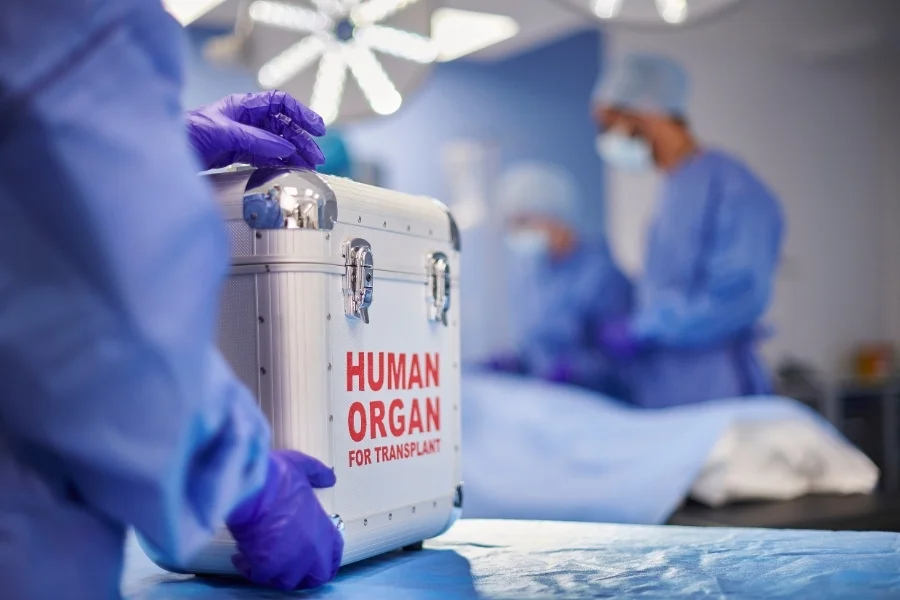
A cadaver liver transplant is a procedure where a patient receives a liver from a deceased donor who has consented to organ donation. The liver is allocated based on urgency, compatibility, and waiting list priority.
This type of transplant is a critical option for patients who do not have a living donor available and require timely intervention.
Early registration and evaluation improve chances of timely transplant.
How Does the Waiting List Work?
Organ allocation is based on medical urgency, compatibility, and availability. Proper registration and evaluation help improve access to transplant.
Registration process
Priority scoring
Blood group matching
Organ availability
Urgency criteria
When is Cadaver Transplant Recommended?
Cadaver transplant is considered when a patient has advanced liver disease and no suitable living donor is available. It provides a life-saving option through the organ donation system.
- Liver cirrhosis
- Liver failure
- Liver cancer
- Acute conditions
- End-stage disease
Our Approach
Cadaver Liver Transplant Procedure
The procedure is performed when a suitable donor liver becomes available and requires immediate coordination. Timely coordination is essential for successful transplant outcomes.
Registration & Listing
Registration ensures eligibility and inclusion in the waiting system.
Donor Allocation
Donor allocation matches organs based on urgency and compatibility factors.
Surgical Procedure
Surgical procedure replaces the damaged liver with a healthy donor organ.
ICU & Recovery
Post-surgery care supports recovery and monitors for early complications.
Long Term Follow-Up
Long-term follow-up ensures stability and prevents transplant rejection.
Role of a Liver Transplant & HPB Surgeon
Cadaver transplant requires precise timing, coordination, and surgical expertise. A skilled surgeon ensures safe procedure execution and optimal outcomes.
Dr. Mayur Patel focuses on:
- Patient evaluation and listing
- Managing transplant readiness
- Performing complex transplant surgeries
- Handling high-risk cases
- Ensuring post-operative care
Expert coordination improves transplant success and safety.
Booking Your Treatment Visit Is Simple
Speak directly and book your appointment quickly.
Fill the form and confirm your consultation easily.
Walk in clinic and get guidance from our team.
Share details and our team will contact you.
Why Consult Dr. Mayur Patel for Cadaver Transplant?
Dr. Mayur Patel is a highly experienced HPB and Liver Transplant Surgeon with extensive expertise in managing complex transplant cases. He focuses on timely evaluation, precise surgical care, and patient-centered treatment to ensure the best possible outcomes.
Need expert advice? Call us now.
+91-96621 16781
Not Sure About Registration?
Many patients are unsure about how the waiting list works or when to register.
A consultation can help you:
- Understand listing process
- Check eligibility
- Plan next steps
Getting clarity early helps avoid delays in treatment.
Commonly Asked Questions
It is a transplant using a liver from a deceased donor. Organs are allocated based on urgency and compatibility through a waiting list system.
Waiting time varies depending on blood group, severity, and organ availability. Early registration improves chances of receiving a donor.
Yes, it is a well-established procedure with good success rates. Proper care and experienced surgical teams ensure better outcomes.
Priority is based on medical urgency, liver function, and scoring systems. This ensures fair and effective allocation of organs.
Patients are monitored regularly while waiting. Once a donor is available, surgery is planned immediately.
No, organs are allocated through a regulated system. Matching is done based on compatibility and urgency.
Yes, medications are required to prevent rejection. Regular follow-ups ensure proper management.
Registration should be done early in advanced liver disease. Delaying can reduce chances of timely transplant.
Expert Guidance
Get clear advice on your condition,
stage, and next steps from Dr. Mayur