Portal Hypertension

What is Portal Hypertension?

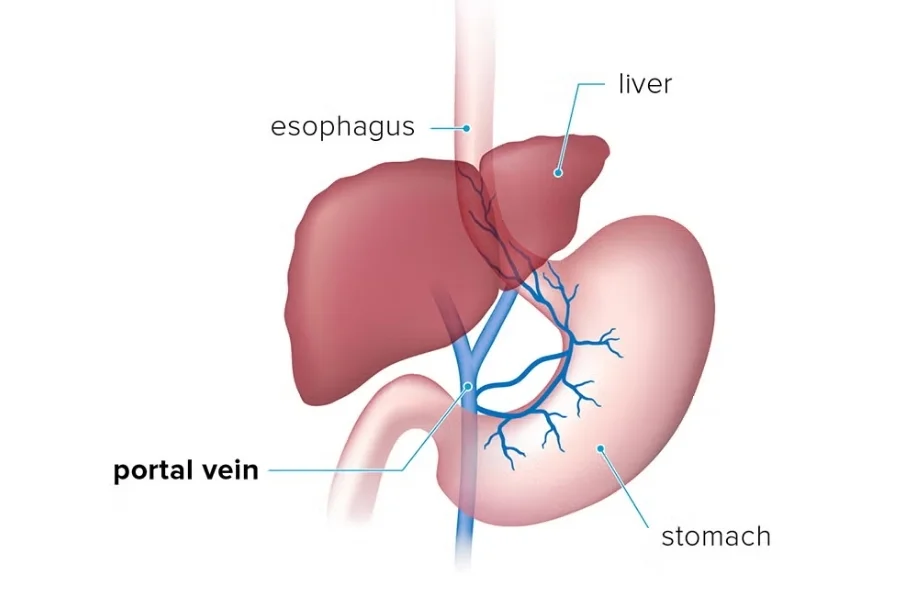
Portal hypertension is a condition where there is increased pressure in the portal vein, which carries blood from the digestive organs to the liver. It usually develops due to liver diseases like cirrhosis and can lead to serious complications if not managed properly.

Early diagnosis and proper treatment help control pressure, reduce risks, and prevent life-threatening complications such as bleeding or fluid buildup.

If you have liver disease or cirrhosis, regular monitoring can help detect portal hypertension early.

Signs & Symptoms of Portal Hypertension

Symptoms may appear as the condition progresses. Early recognition helps prevent complications. Some symptoms indicate complications,  early evaluation is important.

Abdominal swelling

Abdominal swelling

Leg Swelling

Leg swelling

Vomiting blood

Black stools

Appetite loss

Loss appetite

Common Causes of Portal Hypertension

Portal hypertension is usually caused by conditions that block or slow blood flow through the liver. Identifying the underlying cause helps in managing the condition effectively.

  • Liver cirrhosis
  • Chronic liver disease
  • Blood flow obstruction
  • Portal vein blockage
  • Liver fibrosis
  • Hepatitis infection

Our Approach

Portal Hypertension Treatment Approach

Treatment focuses on reducing pressure, preventing complications, and managing underlying liver disease. Timely treatment reduces risks and improves quality of life.

Medical Evaluation

Medical evaluation helps assess severity and underlying liver condition accurately.

Pressure Control

Pressure control treatment helps reduce strain on the portal venous system.

Endoscopic Management

This management helps prevent and control internal bleeding risks.

Managing Complications

Managing complications helps improve stability and reduce emergency situations.

Advanced Care

Advanced care planning ensures timely decision for further treatment options.

Liver Surgeon performing all major surgery

Role of a Liver Specialist & Transplant Surgeon in Portal Hypertension

Portal hypertension requires careful monitoring and management by a liver specialist. Early intervention helps control pressure and prevent complications such as bleeding or fluid buildup.

In advanced cases, interventional procedures or surgical options may be required. A transplant or surgical team may be involved if the condition is associated with severe liver disease.

Booking Your Treatment Visit Is Simple

Call Us
Call Us

Speak directly and book your appointment quickly.

Book Online
Book Online

Fill the form and confirm your consultation easily.

Visit Clinic
Visit Clinic

Walk in clinic and get guidance from our team.

Get a callback.
Get Callback

Share details and our team will contact you.

Dr Mayur Patel

Why Consult Dr. Mayur Patel for Portal Hypertension Treatment?

  • Specialist in liver diseases and complications
  • Experience in managing cirrhosis-related conditions
  • Focus on preventing serious complications
  • Structured long-term monitoring approach
  • Personalized treatment and patient care
Years of Experience
8 +
Liver Transplant
480 +
Major HPB Cases
1480 +

Not Sure About Your Risk?

Portal hypertension often develops silently in patients with liver disease. A consultation can help you:

  • Assess your risk
  • Detect complications early
  • Start timely treatment

Commonly Asked Questions

Yes, portal hypertension can lead to serious complications like internal bleeding. Early diagnosis and proper management help reduce these risks effectively.

It cannot always be reversed, but it can be managed effectively with treatment. Controlling the underlying liver disease plays a key role.

Varices are enlarged veins in the esophagus or stomach that can bleed. Regular monitoring helps detect and treat them early.

Not all patients need surgery. Many cases are managed with medication and endoscopic procedures, depending on severity.

Regular follow-ups are important, especially in patients with cirrhosis. Monitoring helps detect complications early.

Yes, increased pressure can lead to variceal bleeding. Early treatment helps reduce this risk significantly.

Yes, with proper care and regular monitoring, many patients maintain a stable lifestyle. Managing complications is important.

Advanced care is needed if complications like bleeding or severe ascites occur. Early consultation helps prevent these situations.

Expert Guidance

Get clear advice on your condition,
stage, and next steps from Dr. Mayur

Liver Care

Timely treatment helps manage risks and improve stability.

Scroll to Top

Contact Us