Fatty Liver
What is Fatty Liver?
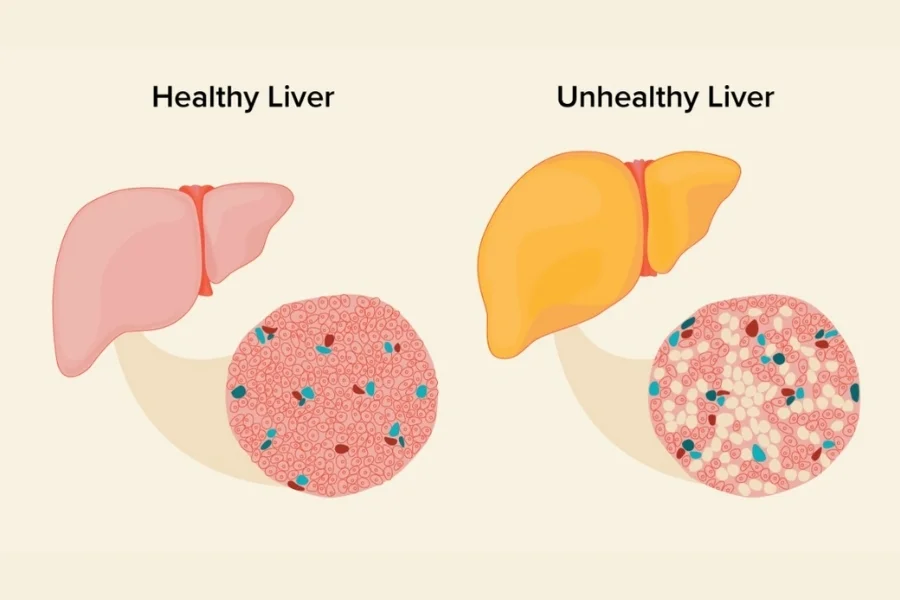
Fatty liver is a condition where excess fat builds up in the liver. In early stages, it may not cause symptoms, but if ignored, it can progress to inflammation, liver damage, and even cirrhosis.
The good news is that fatty liver can often be reversed with the right treatment and lifestyle changes. Early diagnosis and proper guidance play a key role in preventing long-term complications.
If you have been told you have fatty liver, early action can help you avoid serious liver disease later.
Signs & Symptoms of Fatty Liver
Majority of patients are asymptomatic, and early symptoms are often mild and easy to ignore. Recognizing them on time can help prevent progression. Many patients have no symptoms, a simple checkup can help detect fatty liver early.
Mild fatigue
Appetite loss
Bloating
Weight gain
Poor digestion
Low energy
Understanding the Stages of Fatty Liver
Early-stage fatty liver is reversible, but advanced stages require long-term medical care.
Simple Fatty Liver
Fat builds up in the liver without causing inflammation.
Inflammatory Stage
Liver inflammation begins and may slowly affect function.
Fibrosis Stage
Scar tissue develops and starts affecting liver structure.
Cirrhosis Stage
Advanced scarring leads to serious and permanent liver damage.
Common Causes of Fatty Liver
Fatty liver is usually linked to lifestyle and metabolic factors that affect how the body processes fat. It is increasingly common due to sedentary habits, poor diet, and underlying health conditions. Identifying the cause early helps in reversing the condition effectively.
- Obesity and weight gain
- Unhealthy diet habits
- Diabetes and insulin resistance
- High cholesterol levels
- Alcohol consumption
- Sedentary lifestyle
Our Approach
Fatty Liver Treatment Approach
Treatment focuses on reversing fat buildup and preventing progression to serious liver disease. Early and consistent treatment can completely reverse fatty liver in many patients.
Medical Evaluation
Medical evaluation helps identify the stage and underlying cause of fatty liver.
Lifestyle Changes
Lifestyle and diet changes support fat reduction and improve liver function.
Exercise & Activity
Regular physical activity helps improve metabolism and reduce liver fat.
Managing Conditions
Managing health conditions prevents further liver damage and complications.
Regular Monitoring
Regular monitoring ensures progress and helps maintain long-term liver health.
Role of a Liver Specialist & Transplant Surgeon in Fatty Liver
Fatty liver is primarily managed through lifestyle changes and medical care under the guidance of a liver specialist. Early-stage fatty liver does not require surgery and can often be reversed completely with the right approach.
However, if fatty liver progresses to advanced stages like cirrhosis or liver failure, further evaluation may be required, and in rare cases, liver transplant may be considered.
Booking Your Treatment Visit Is Simple
Speak directly and book your appointment quickly.
Fill the form and confirm your consultation easily.
Walk in clinic and get guidance from our team.
Share details and our team will contact you.
Why Consult Dr. Mayur Patel for Fatty Liver Treatment?
Dr. Mayur Patel is a highly experienced HPB and Liver Transplant Surgeon with expertise in managing complex bile duct cancers. He focuses on oncological precision, safety, and patient-centered care to achieve the best possible outcomes.
Need expert advice? Call us now.
+91-96621 16781
Not Sure If Your Fatty Liver Is Serious?
Many patients ignore fatty liver until it progresses to advanced stages. A consultation can help you:
- Understand your current stage
- Know your risk of progression
- Get a clear reversal plan
Commonly Asked Questions
Fatty liver is common and often manageable in early stages. However, if ignored, it can progress to inflammation, fibrosis, or cirrhosis, making timely treatment important.
Yes, in most early cases, fatty liver can be reversed with proper diet, exercise, and medical guidance. Consistency in lifestyle changes plays a key role in recovery.
Yes, fatty liver is often associated with diabetes, obesity, and high cholesterol. Managing these conditions is important for overall liver health.
Yes, most patients live a normal life with proper care and lifestyle changes. Early management helps prevent complications and supports long-term health.
Fatty liver becomes a concern when it progresses to inflammation or fibrosis. Regular evaluation helps identify the stage and prevents the condition from becoming serious.
Not always. Many patients improve with lifestyle changes, but long-term monitoring is important to ensure the condition does not return or progress.
Yes, fatty liver can return if lifestyle habits are not maintained. Following a healthy routine and regular check-ups helps prevent recurrence.
Yes, fatty liver can progress silently without symptoms. Regular follow-ups help track improvement and detect any changes early.
Expert Guidance
Get clear advice on your condition,
stage, and next steps from Dr. Mayur